Based on the Science of Reading, the literacy tutor provides individualized instruction to students of varying ages who struggle with reading and writing skills, helping them develop foundational literacy abilities through targeted lessons, practice activities, and progress monitoring, often working closely with classroom teachers to address specific learning gaps and ensure students achieve their literacy goals. Tutoring is provided digitally and/or face-to-face.
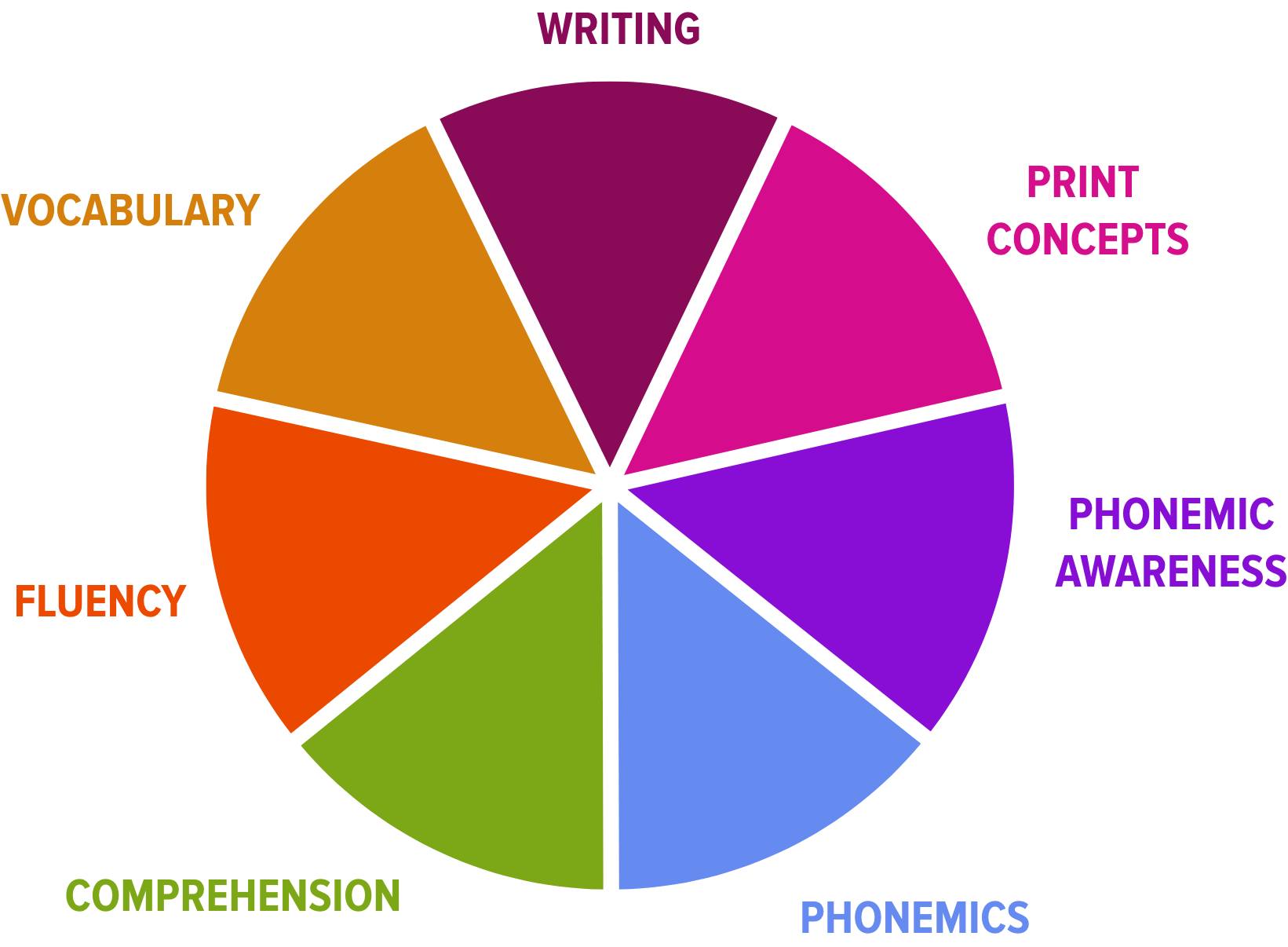


Key services of the literacy tutor include:
Assessing Student Needs (Assess)
Evaluating each student's literacy level through diagnostic tests and observations to identify areas for improvement, such as knowledge of print, phonemic awareness, phonics, fluency, vocabulary, comprehension, and writing.
Developing Personalized Learning Plans (Design)
Creating tailored lesson plans based on individual student needs, incorporating appropriate instructional strategies and materials to address specific weaknesses.
Providing Direct Instruction (Teach)
Leading one-on-one or small group sessions focused on building literacy skills through activities like reading aloud, guided reading, phonics drills, sight word practice, and writing exercises.
Progress Monitoring (Evaluate)
Regularly tracking student progress using data-driven assessments to identify areas of growth and adjust instructional strategies as needed.
Collaborating with Teachers and Parents (Collaborate)
Communicating with classroom teachers to align tutoring with classroom curriculum and regularly updating parents on student progress and areas of focus.
Utilizing Effective Literacy Strategies (Research)
Employing research-based approaches like multisensory learning, explicit instruction, and differentiated instruction to engage students and maximize learning.



Reading by the end of third grade is a critical milestone for future academic success.
Strong literacy skills can increase a student’s likelihood of graduating high school by up to four times.
Children who read proficiently by third grade are significantly more likely to succeed in school and beyond.
Our programs are designed to meet the unique literacy needs of African American students.